The listing tells you the surface, the number of rooms, the finishes. The viewing tells you the rest of what can be seen: which way the rooms face, how the kitchen is laid out, the state of the floors. Careful buyers go further. They come back at another time of day, they have the structure checked, they ask about the heating.
Then there's what a viewing can't show, because it takes an instrument, or because it only appears once you live there. These are the things you'll feel every day, and in Geneva two of them deserve more thought than elsewhere.
The air and the temperature
A home is usually aired before a viewing, so what you breathe for forty minutes says little about what you'll breathe on a January night with the windows shut, or how easily you’ll be able to fall asleep in July. That air carries whatever the house and its contents give off. The fresh paint, flooring and new furniture in a recently built or renovated home release volatile compounds, formaldehyde among them, for months; the "new" smell is exactly that. Older houses, often the ones on the finest plots, rarely have mechanical ventilation, so CO₂ and humidity build up overnight in the bedrooms. Summer heat works the same way: a bedroom under a poorly insulated roof, or behind large glazing without exterior blinds, only shows itself on the first hot nights.
None of this is a reason not to buy. It's a reason to measure. CO₂, humidity, fine particles, formaldehyde and temperature tell you whether ventilation, insulation or exterior shading belong in the renovation budget, and which materials to choose for the works.
How the rooms sound
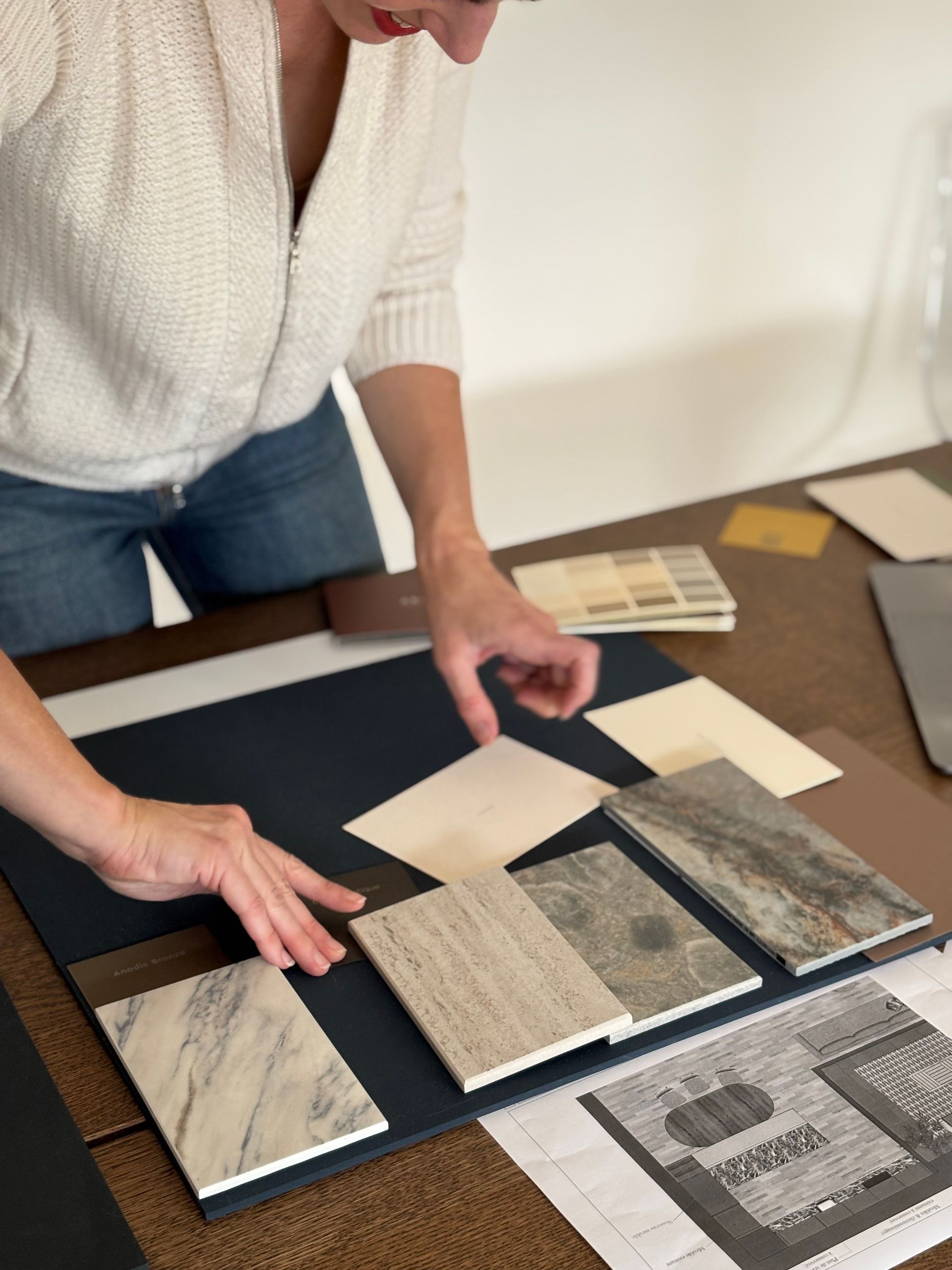
Two things escape a viewing. The first is reverberation. Stone floors, large glass walls and high ceilings are beautiful, and they make a room ring: conversation becomes tiring, a dinner for eight becomes loud. An empty home exaggerates it, a staged one hides it, and neither tells you how it will feel lived in. The answer is design: absorbent surfaces where they don't show, acoustic plaster, textiles, upholstery, a wall of books.
The second is the noise that comes from elsewhere: the neighbors' footsteps above, a lift, the plumbing, a ventilation unit next door. You won't hear them on a weekday afternoon. Ask the other owners how the building sounds in the evening, and ask whether the floors were ever renovated, because impact noise between floors depends largely on what's under the floor finish. In a house, the same applies inside: a child's room above the living room, a bedroom next to the stairs. An acoustic underlay, a floating floor or a better place for the bedroom are simple decisions on plan, and costly ones afterwards.
The light after dark
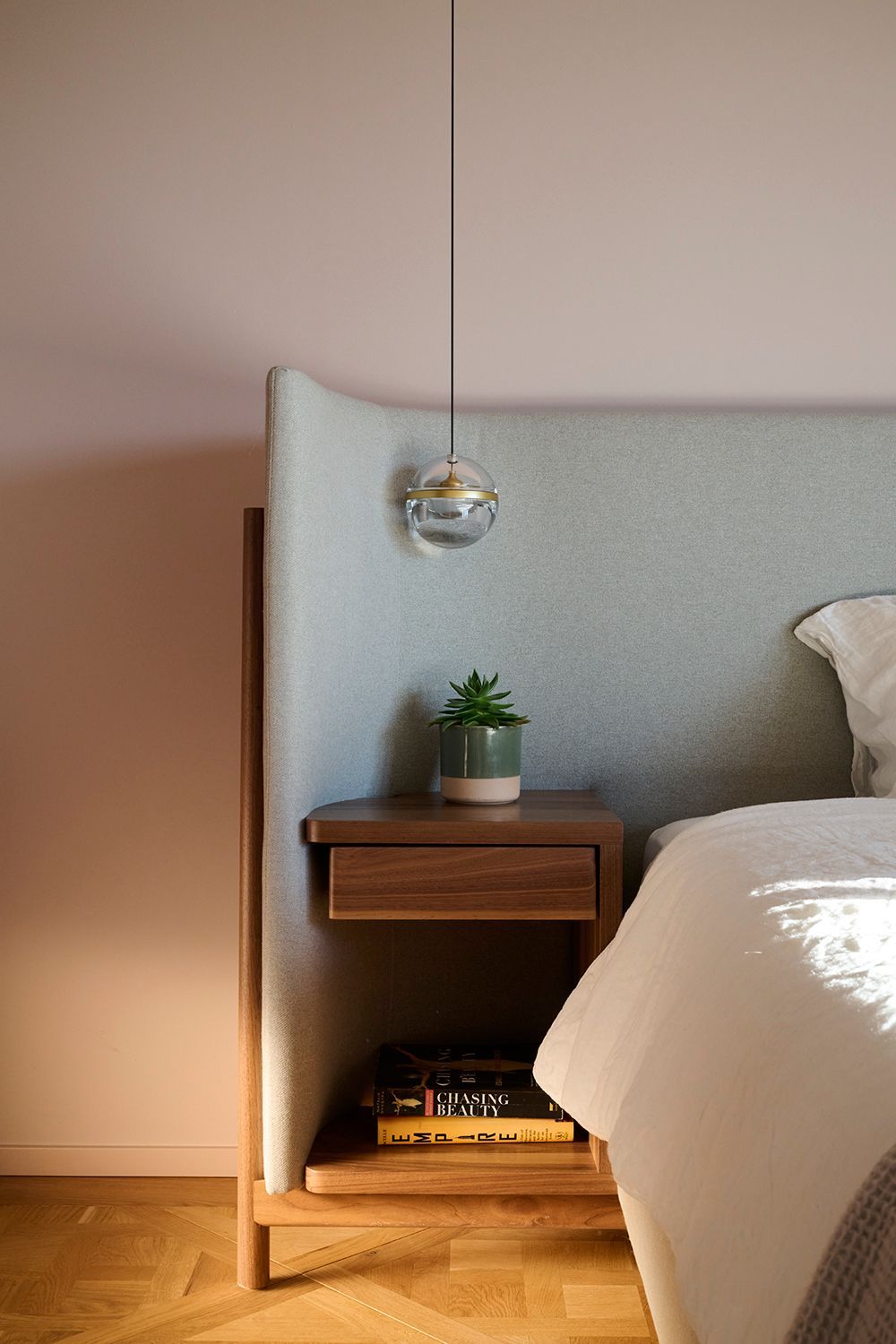
Viewings happen in daylight with every light switched on. What matters is how the built-in lighting behaves at nine in the evening: its color, its intensity, whether it dims, and whether it flickers. Many renovations fit rows of cool white ceiling spots at full power, which is practical for cleaning and the opposite of what the body needs in the evening. Bright, cool light late in the day delays the signal to sleep; that is one of the best-established findings on light and health.
Two checks you can do on the spot: dim the lights and watch whether they dim smoothly or just switch, and film a light through your phone's slow-motion camera to see whether it flickers. Replacing built-in lighting means new fittings, sometimes new ceilings, so it's worth knowing before you make your offer.
The water
Geneva's tap water is of excellent quality when it leaves the public network. What reaches your glass also depends on the last few metres: the building's own pipes. According to the cantonal statistics office, about a third of Geneva's homes were built in the 1960s and 1970s, when drinking-water pipes were often made of galvanised steel, built to last around fifty years. Many have since been replaced; some haven't, and corroding pipes can colour the water and narrow the flow.
Two questions for the viewing: when was the plumbing last renewed, and what colour is the first water when you open a tap that hasn't run for a while? The hot water deserves a question too: to keep legionella at bay, the Swiss federal recommendations call for at least 60 °C at the outlet of the hot-water tank. A laboratory test of the water is part of the Longevity Audit. If the pipes need replacing, it is far simpler to do before the new bathroom is tiled than after.
Security, planned rather than added
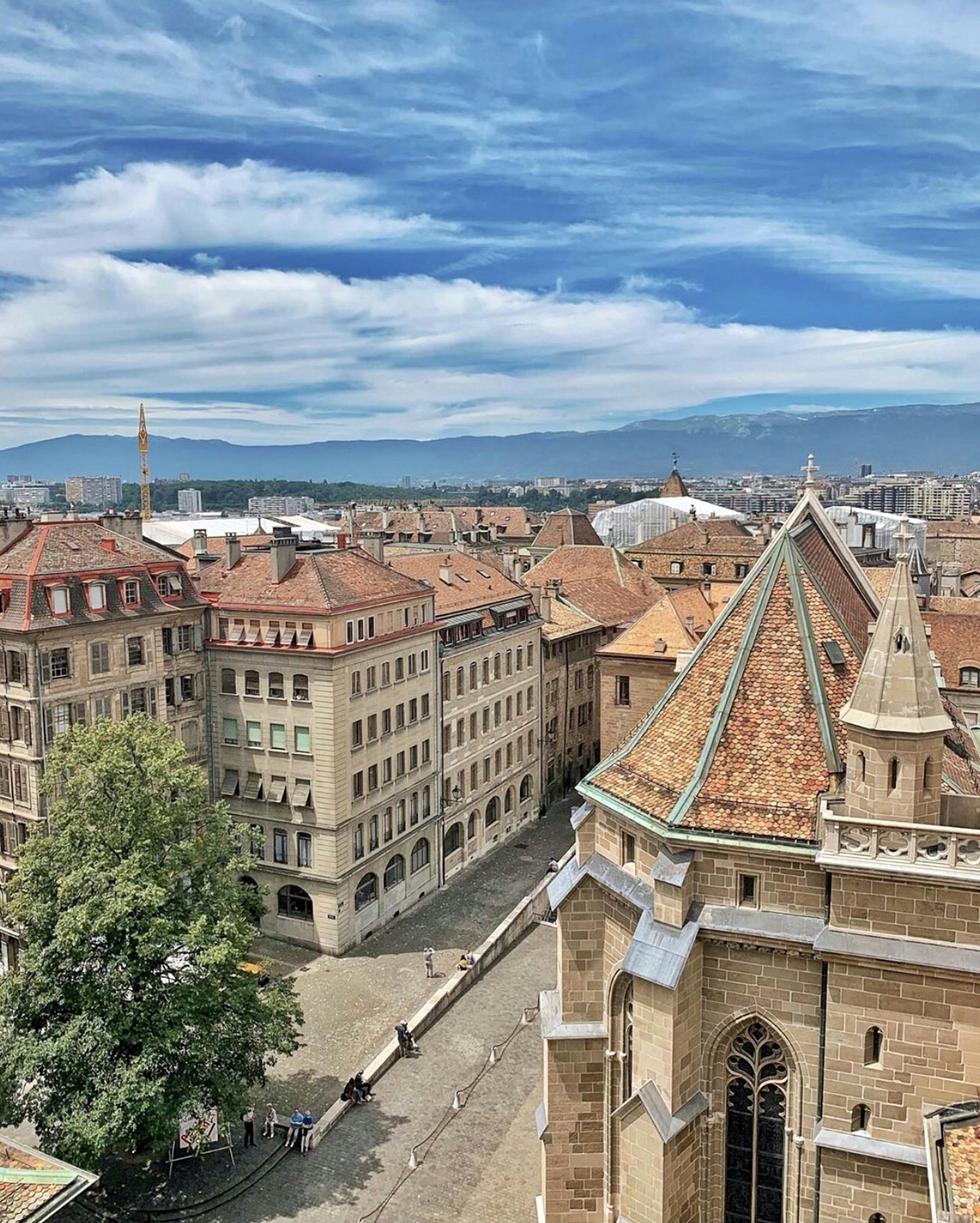
This is where Geneva differs. AXA's claims data show that since 2019 the risk of a burglary in the canton has been more than twice the Swiss average, with a peak between October and December. It's not a reason to worry. It's a reason to treat security as part of the design rather than something bolted on after moving in.
Most of it is decided early: the resistance class of the front door and the ground-floor windows, motorised shutters linked to the home automation, lighting that can be run while you're away, discreet wiring for an alarm or cameras, a safe built into the joinery. Planned with the electrics and the carpentry, it disappears into the house. Added later, it shows, and it costs more.
Where to start
Most of this is what the Longevity Audit is for. I come to the home and measure the light, the air, the water, the noise, the temperature and the humidity, then give you a clear, prioritized report: what the home does well, what it doesn't, and what a renovation would change. The fee is credited against your project if we go on to work together. Security isn't something I measure: I note what's already in place, and I plan it into the renovation from the first drawings, with a security specialist.
If the sale allows a second visit, the audit can also take place before you sign.
Based in Lausanne, I also work in Geneva and its communes, in French, English and Mandarin. Buying or renovating in or around Geneva? Write to me, I'd be glad to talk it through.